Powell River Top General Contractor for Residential Projects
Powell River Top General Contractor for Residential Projects
Blog Article
General Contractor: Your Preferred Specialist for Home Undertakings
A general contractor takes on a essential role in home projects. They manage assorted components of construction, ensuring that everything runs smoothly. Their expertise with construction codes and compliance requirements enables them to overcome the intricacies of permits and inspections. This experienced professional functions as a key link between homeowners and specialist contractors. Yet, many homeowners remain unsure about the full scope of their work. Knowing these details can greatly impact the triumph of any renovation project effort.
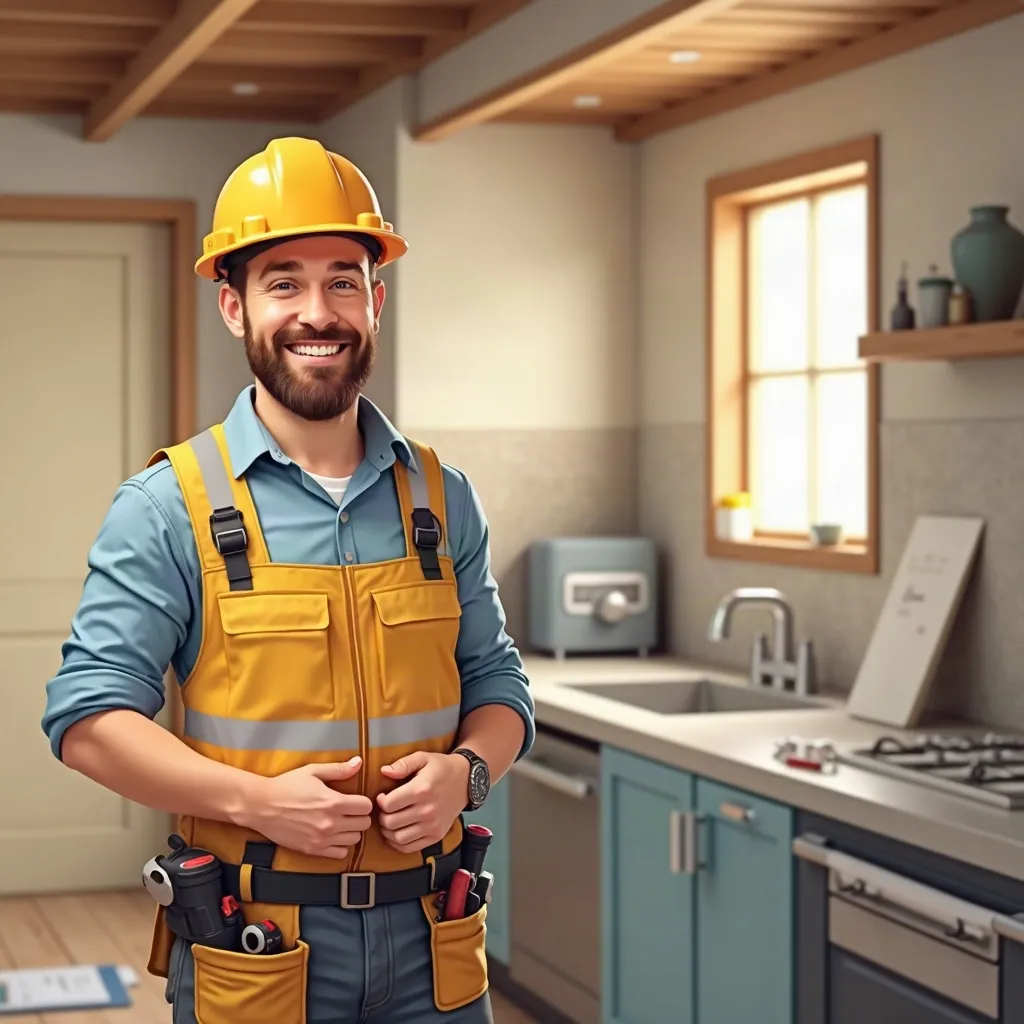
Which Duties Do a General Contractor Accomplish?
A project overseer manages the various elements of a construction project, making certain that operations proceed without interruption from start to finish. They act as the chief communication hub, managing communication between project owners, trade contractors, and suppliers. This role encompasses planning the work schedule, coordinating crew members, and verifying compliance with make a move area construction rules and standards.
General contractors are responsible for obtaining necessary permits and scheduling inspections, which are vital for maintaining safety and quality standards. They also handle budgeting, sourcing materials, and managing on-site activities to mitigate any potential delays or issues. In addition, they oversee subcontractors, ensuring that each phase of construction aligns with project specifications and timelines. Overall, a general contractor's knowledge and management abilities are essential to delivering a successful construction project, turning a client's vision into reality while managing multiple duties and obligations.
Advantages of Working with a General Contractor for Home Updates
Hiring a general contractor for residential remodeling offers numerous advantages that can significantly improve the quality and efficiency of the undertaking. General contractors possess knowledge in project management, ensuring that timelines are met and resources are allocated effectively. Their strong connections with specialized tradespeople can lead to better pricing and superior workmanship, which ultimately saves homeowners both money and time.
Furthermore, general contractors handle the intricate details of approvals and reviews, limiting potential legal issues. They also supply a single point of contact, facilitating interaction and management among various trades. This streamlining reduces the probability of errors and postponements.
Furthermore, their expertise allows them to anticipate possible issues, facilitating proactive solutions to keep the project on track. By engaging a general contractor, homeowners can focus on their vision while experiencing peace of mind, understanding that a professional is overseeing every aspect of the renovation.
Refuting Common Myths About General Contractors
While many property owners may hold false beliefs about general contractors, understanding the realities can lead to more educated decisions. One prevalent myth is that hiring a contractor is not needed for small projects; however, their skills can simplify even small-scale renovations, ensuring compliance with local codes. Another frequent belief is that general contractors are merely middlemen, but they often possess broad knowledge in various trades, enabling them to manage projects efficiently. Additionally, some clients think that working with a contractor will considerably inflate costs. In truth, a skilled contractor can often secure better pricing for materials and labor due to strong relationships with suppliers and subcontractors. Finally, many believe that general contractors are rigid, but trusted contractors prioritize client communication and collaborate closely to meet individual needs. Cleared up myths can empower clients to leverage the real value of general contractors in achieving effective home projects.
Identifying the Best General Contractor?
How can homeowners ensure they select the best general contractor for their projects? The process starts with thorough research. Homeowners should seek suggestions from friends, family, or online reviews to identify potential candidates. Once a list is compiled, confirming credentials, such as licensing, bonding, and insurance, is crucial to confirm credibility.
Next, property owners should ask for and examine collections of past projects, concentrating on projects similar in scope. Scheduling meetings allows property owners to gauge compatibility, covering schedules, costs, and requirements. It's also advisable to obtain multiple quotes for evaluation, offering a clear understanding of expenses.
Examining references provides insight into a contractor's dependability and expertise. Ultimately, trusting one's instincts is crucial; an opening discussion can expose a contractor's interaction pattern and strategy. By adhering to these guidelines, homeowners can markedly increase their odds of choosing a general contractor who aligns with their objectives and goals.
Strong Communication Tactics For Working With Your General Contractor
Which strategies can homeowners utilize to secure clear exchanges with their general contractor? Establishing direct engagement from the start is necessary. Homeowners should clearly express their goals, project targets, and spending restrictions during opening conversations. Ongoing reports can be supported through planned discussions, ensuring that both parties remain in sync throughout the project.
Leveraging documentation records, like emails or project logs, reinforces verbal agreements and reduces confusion. Homeowners should equally support open dialogue by welcoming feedback and questions from the contractor, building a collaborative atmosphere.
Moreover, utilizing technology, such as project management apps, can streamline dialogue by providing a unified system for sharing updates, timelines, and changes. Finally, being courteous and accessible can strengthen rapport, making it easier for the contractor to convey challenges or suggestions successfully. By implementing these approaches, homeowners can cultivate a efficient and transparent partnership with their general contractor.
What to Anticipate When Your Undertaking Begins?
As the work commences, homeowners can expect a flurry of action on-site. The lead contractor will manage squads of experienced workers, including electricians, plumbers, and carpenters, who will get started their responsibilities following the set schedule. Homeowners may witness equipment and goods being delivered, fostering a bustling atmosphere.
Communication remains vital during this stage. The contractor will provide updates on progress and handle any issues that arise. Homeowners should get ready for possible interruptions, such as noise and limited access to specific areas of the home.
Safety protocols will be in place to protect both workers and residents, ensuring a secure environment. Additionally, homeowners may be encouraged to copyright flexibility, as unforeseen issues can arise, necessitating adjustments to the original plan. Overall, this initial phase sets the stage for the successful completion of the project, and active cooperation is essential.
Fundamental Concerns for Your General Contractor Understanding?
Deciding which inquiries to raise when wrapping up a general contractor agreement is important for guaranteeing a efficient project. Homeowners should inquire about the contractor's permit and policy to check their credentials and protection against liabilities. Understanding the project deadlines and milestones is key; therefore, asking about expected completion dates helps align expectations.
It is also crucial to clarify payment terms, including deposit amounts and payment schedules, to prevent confusion. Homeowners should ask for a detailed breakdown of expenses, including materials and workmanship, to ensure transparency. Furthermore, discussing the procedure for managing modifications or unforeseen issues can avoid disputes later on.
Lastly, property owners must inquire into subcontractors and their qualifications, as well as the communication approach of the contractor throughout the project. By tackling these inquiries, homeowners can establish a strong working relationship with their general contractor, ultimately leading to a successful home project.
Popular Inquiries Posed Often
How Do General Contractors Charge for Their Services?
General contractors typically charge via set fees, hourly rates, or a cut of the total project price. Their fee structure may also include supplies needed, labor, and indirect costs, determined by the project's complexity and scope.
Can a General Contractor Help With Permits and Assessments?
Yes, a general contractor can aid in obtaining permits and conducting inspections oversight. They typically navigate local regulations and ensure regulatory adherence, streamlining the process for homeowners while facilitating necessary approvals throughout the construction project.
What Attributes Should I Hunt for in a General Contractor?
When hiring a construction firm, one should review qualifications such as licensing, comprehensive insurance, background with comparable initiatives, excellent references, and strong interpersonal abilities, confirming they demonstrate the essential qualifications to manage the project with success.
How Much Time Does a Standard Home Renovation Job Take?
A typical home remodeling project can consume anywhere from a few weeks to several months, determined by the scope, intricacy, and size of the project, as well as the obtainability of materials and labor.
What Takes Place if My Initiative Overshoots Budget?
Should a project go over budget, the builder usually communicates the reasons and options with the property owner. Adjustments may involve scaling back, pursuing more funds, or revising the project scope to align with budget constraints.
Report this page